Yoga, Meditation and Pranayama
Cultivate awareness, expand energy, and merge into stillness
Yoga
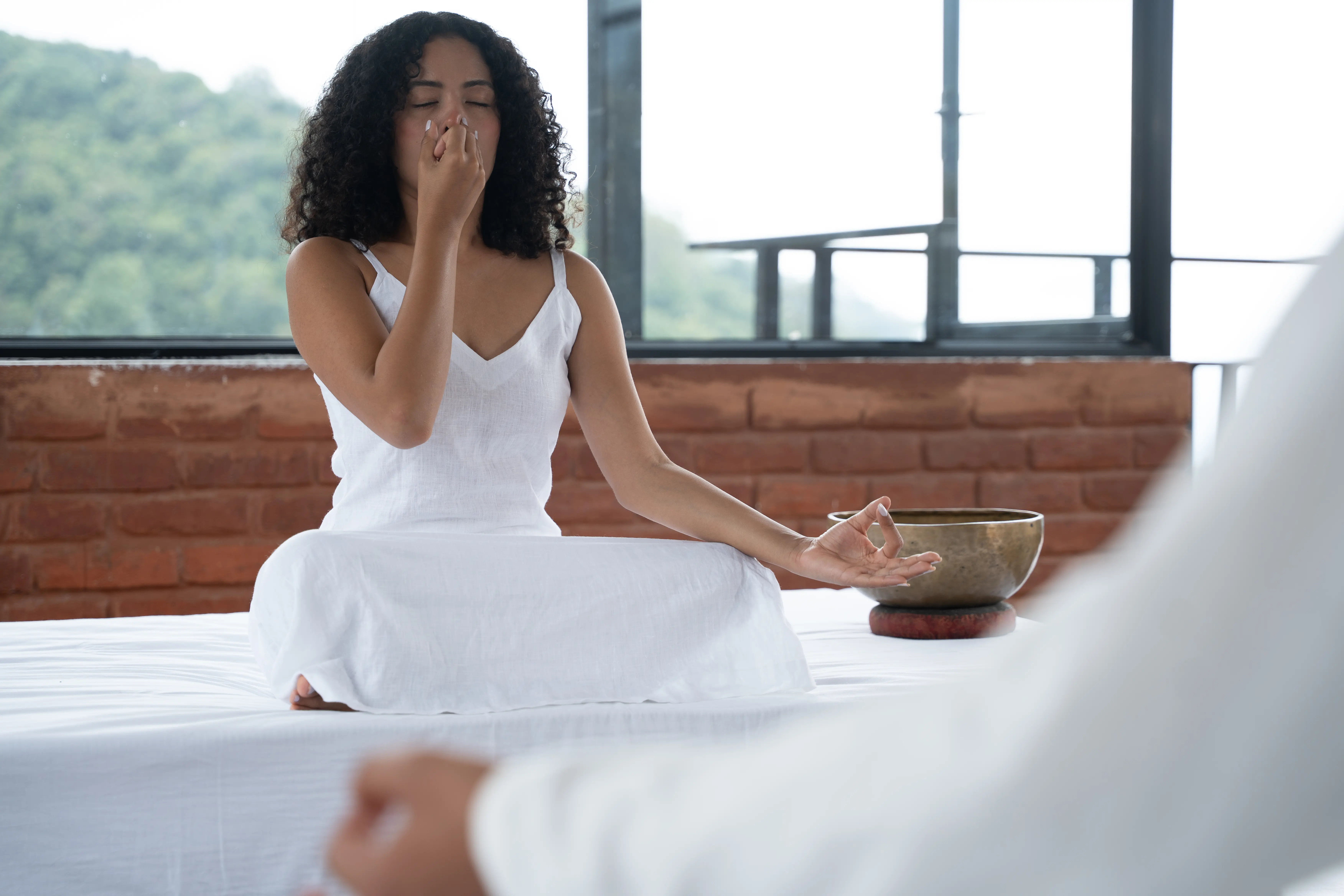

Yoga is a practice that leads to tranquility, provides skillful self-management, enriches life, and enhances deeper growth by cultivating awareness. These practices can be joyfully integrated into daily life, promoting relaxation and presence. Yoga encourages slow, gentle movements, self-respect, a positive attitude, and helps build a strong and balanced body–mind system.
Key Approaches
- Level 1: Introduction to basic joint movements, breath synchronization, and awareness practices.
- Level 2: Deeper body-mind integration through slow stretching, conscious breathing, and relaxation with intermediate to level 1.
- Level 3: Introduction to deeper pranayama, meditative movement, and Yoga Nidra for rejuvenation and advance practice like Surya Namaskar.
Includes
- Subtle joint rotations and body movements
- Yoga Nidra for deep rest and internal awareness
Benefits
- Physical: Improves flexibility, circulation, and lymphatic drainage
- Mental: Reduces stress and enhances focus
- Emotional: Promotes self-awareness and resilience
Indications
- Stiff joints, poor posture, chronic pain
- Stress, anxiety, insomnia
- Desire for mindful movement and self-growth
Pranayama
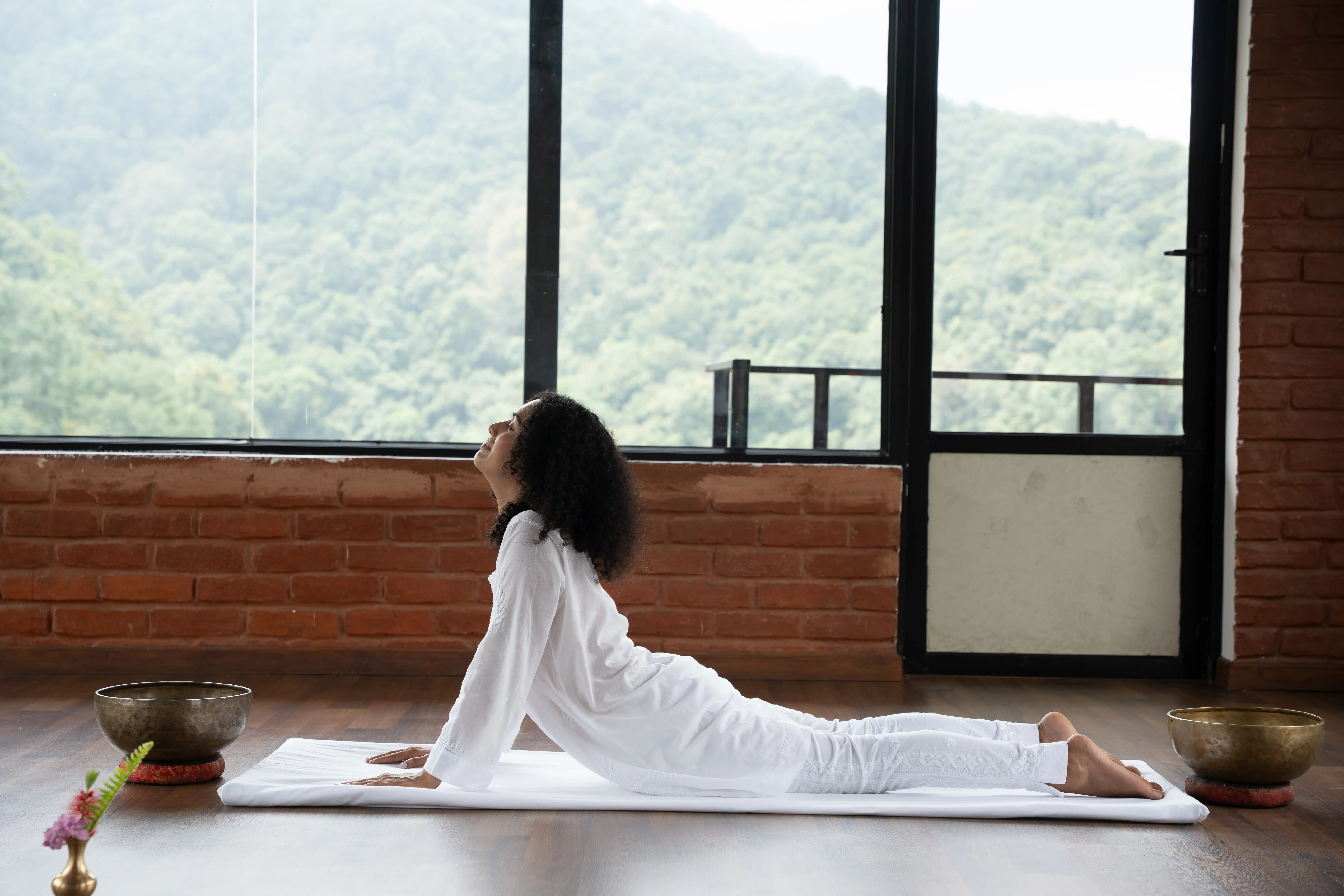
Prana is the life energy that continuously flows to enrich and sustain life. Pranayama refers to expanding and regulating this energy. These practices are cleansing, healing for various disorders, and helpful in releasing and opening blocked energy or memories. Pranayama harmonizes the flow of pranic energy and supports complete well-being. These breathing practices are simple and easy to incorporate into daily life.
Techniques Included
- Nadi Shodhana (Alternate Nostril Breathing) — for calming and balancing
- Bhramari (Bee Breath) — for mental relaxation
- Kapalabhati (Skull Shining Breath) — for energizing and detoxification
- Ujjayi (Ocean Breath) — for grounding and internal focus
- Sitkari (Cooling Breath) — for cooling and calming the body
- Sitali (Cooling Breath through Rolled Tongue) — for reducing internal heat
- Bhastrika (Bellows Breath) — for energizing and revitalizing
Benefits
- Regulates energy flow in the body
- Aids in clearing physical and emotional blockages
- Supports healing for respiratory and stress-related conditions
- Enhances focus and clarity
- Breathing techniques promote calmness
- Helps energy balance
- Balances the autonomic nervous system
Meditation (Dhyana)
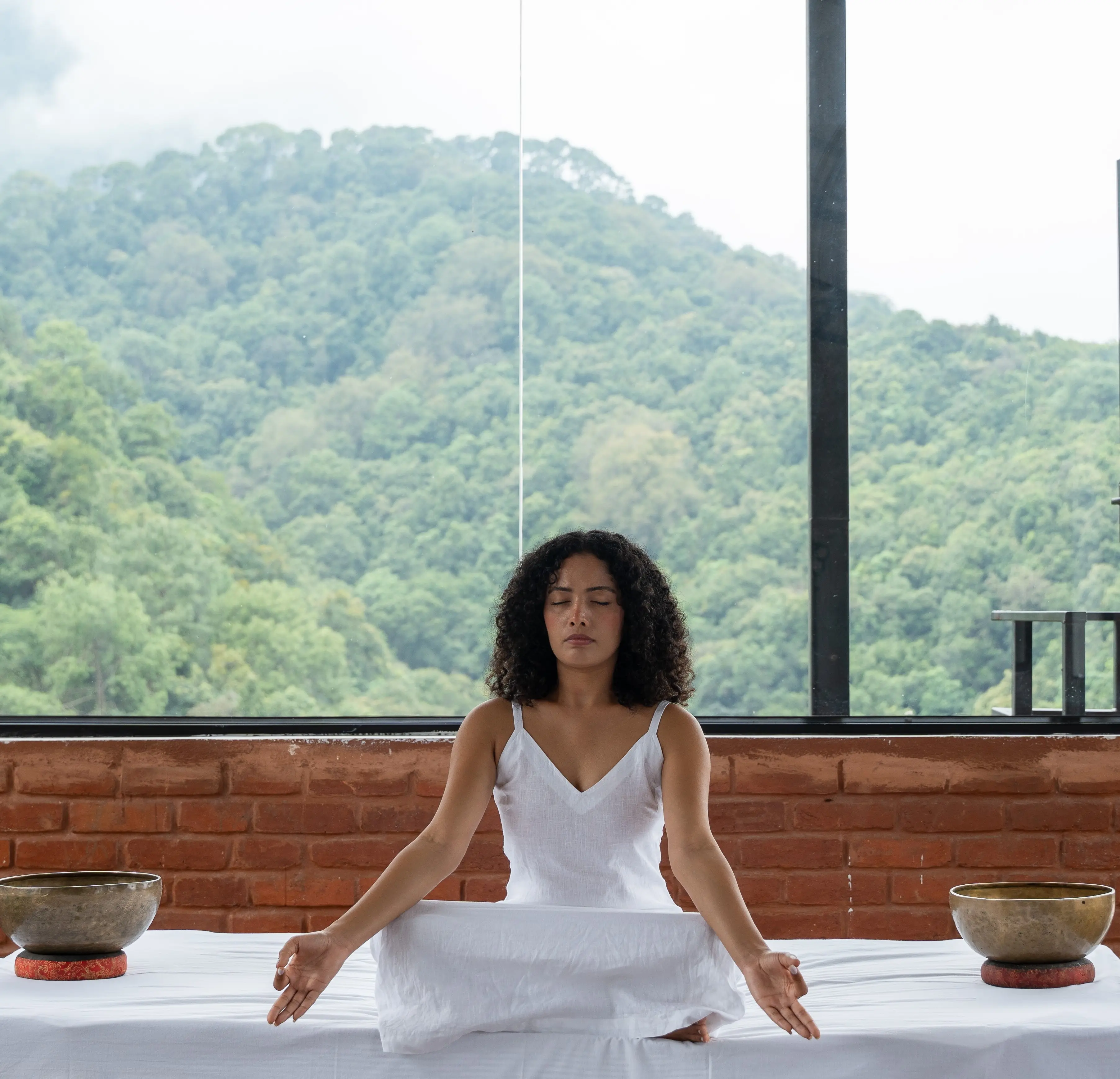
Dhyana is the process of transitioning from effort to effortlessness — from mental activity to deep silence. It is the merging of impulses into stillness and marks the spontaneous cessation of mental speed. This state leads to a deep experience of inner completeness.
Key Approaches
- Mindfulness: Observing thoughts without judgment
- Mantra Meditation: Repetition of sacred sounds (e.g., Om)
- Chakra Dhyana: Focusing on energy centers
- Yoga Nidra: Deep rest and relaxation with internal awareness
Benefits
- Psychological: Lowers cortisol, improves emotional regulation
- Spiritual: Fosters a sense of oneness (Samadhi)
- Cognitive: Enhances memory and creativity
Indications
- Chronic stress, depression, PTSD
- Seeking deeper self-awareness
- Enhancing concentration (e.g., for students and professionals)